
Beyond the 996 Hype: Why Success Doesn’t Require Burnout
Business culture seems to discover a new “secret formula” for success every decade. Like fashion trends or fad diets, each new idea promises to be the defining factor that separates great companies from the rest.
In the early 2000s, the mantra was work hard, play hard. Then a new work schedule emerged from China. Companies such as Jack Ma’s Alibaba popularized the idea that working six days a week from 9 a.m. to 9 p.m. was essential for long-term success. More recently, Silicon Valley figures like Elon Musk have echoed similar expectations within their organizations. The so-called 996 schedule is trending. But is it a passing fad, like jean shorts, or a sustainable path to building a successful company?
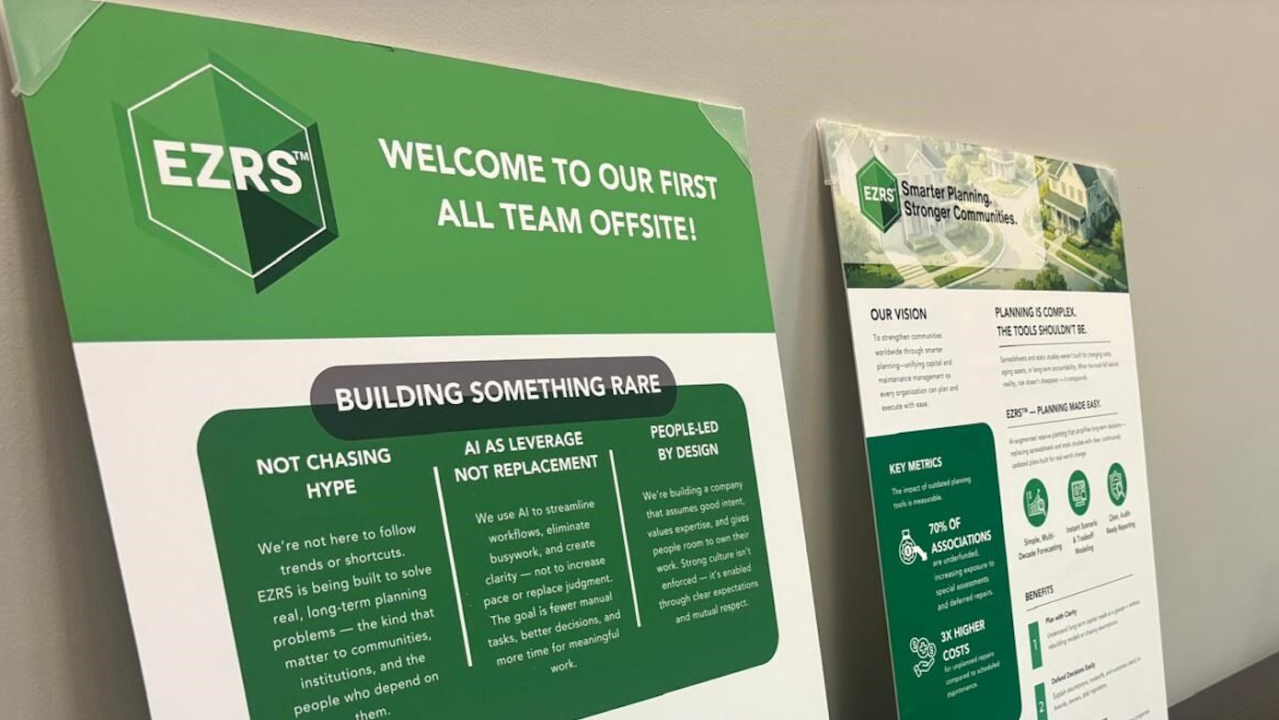
John Zanni, CEO and founder of Easy Reserve Study (EZRS®), does not believe a 996 culture is required to succeed. EZRS® operates as a fully remote organization with a flexible work schedule, allowing employees to balance their social and work life. Recently, the company reached a major milestone: its first-ever company off-site. This gathering marked a defining moment, laying out the groundwork for EZRS®’s culture, mission, and long-term vision.
The Power of Intentional Alignment Over Constant Intensity
While EZRS® does not subscribe to the 996 model, leadership recognizes that intentional milestones and structured moments of alignment are essential to maintaining momentum. The first off-site served as a critical touchpoint for establishing unity across a distributed team. The question was whether leadership could instill ownership, motivation, and shared purpose without the intensity of a 996 schedule—and whether that approach could deliver comparable results. Early feedback from employees suggests the answer is yes.
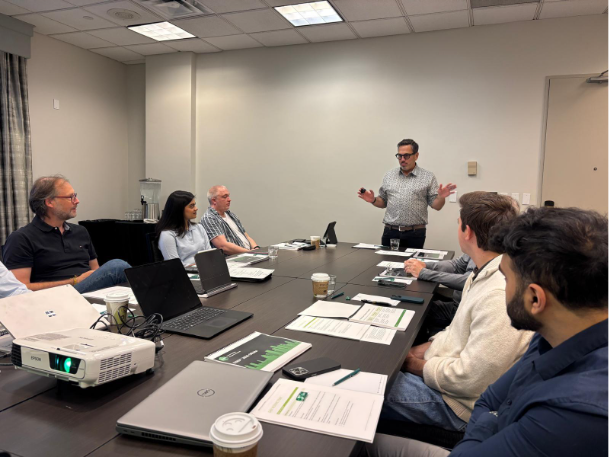
A primary objective of the off-site was to ensure alignment around the company’s vision. Leadership provided a clear, detailed breakdown of the market and EZRS®’s position within it, helping employees understand not only what they are building, but why it matters. Multiple team members noted that this context allowed them to see how the EZRS® platform fits into real-world applications and long-term industry needs.
From Individual Roles to Shared Ownership
With a clear direction established, the focus shifted to ownership. Rather than having employees describe their individual roles, the executive team articulated why each person was in the room and how their work directly supports the organization’s mission. This approach reinforced confidence, clarified expectations, and affirmed each employee’s value to the company.
Throughout the off-site, leadership consistently emphasized “we” and “our,” reinforcing a culture of shared responsibility, not just for the product, but for one another. Social gatherings further strengthened this sense of unity, giving employees the opportunity to learn about each other’s lives and build trust beyond their day-to-day responsibilities.
The result was a more collaborative and focused team. After returning home, employees across departments reported that asking for help felt easier and more natural. Familiarity with colleagues’ roles and the relationships formed during the off-site lowered barriers and encouraged cross-functional collaboration.
Experience-Driven Leadership: Building a Culture of Trust
This outcome was no accident. The off-site was the result of deliberate planning by the EZRS® leadership team. Preparing for the event required leaders to refine strategy, align on execution, and clearly define the company’s positioning within the industry. Multiple onsite meetings by the department developed the specifics of definitions within the industry that allowed EZRS® employees to understand the market within a day —clarity that might otherwise take months to develop. Decades of leadership experience guided the language to instill confidence in colleagues and build a united workforce.
Perhaps the most notable takeaway from the off-site was a renewed sense of motivation. One EZRS® employee previously worked at a startup that followed the 996 model. He described a culture driven by fear and burnout, where the implicit message was, “If you can’t maintain this pace, you don’t belong.” Within three years, roughly half of the staff moved on.
In contrast, he left the EZRS® off-site feeling energized—not by fear, but by trust. Leadership’s open commitment to work-life balance, combined with genuine enthusiasm for life outside of work, reinforced confidence in the EZRS® model. Employees were encouraged to test ideas, explore new initiatives, and think creatively about how to grow the business. That openness fostered a secure, inspired culture anchored to a clear vision.
The culture presented by EZRS® leadership stands apart from the 996 trend. Instead of being whiplashed by different business philosophies, the executive team has remained grounded in a steady, experience-driven approach shaped over decades in the industry. The employees’ immediate reactions reflect the company’s early success and validate the executive team’s decision to adopt a traditional business structure.